


If you’ve ever wondered which plants will actually grow well in your yard, you’re not alone. Between changing seasons, soil conditions, and climate differences, choosing the right plant can feel overwhelming.
One of the simplest ways to grow with confidence is to start with plants that naturally thrive where you live.
What Are Native Plants?
Native plants are species that occur naturally in a specific region, ecosystem, or habitat without being introduced by people. Over time, they’ve adapted to local weather patterns, soil types, and seasonal changes.
That means plants that are native to your area are already suited to the conditions in your yard.
Why Choose Native Plants?
Planting native or regionally adapted plants is one of the easiest ways to create a healthy, low-maintenance landscape (and help support the ecosystem around you, too).
They typically:
-
Thrive in local climates with less effort
-
Require less water once established
-
Are more resistant to common pests and diseases
-
Naturally support pollinators like bees and butterflies
-
Help create a balanced, natural ecosystem
Whether you're planting trees, shrubs, or perennials, choosing plants that match your region helps reduce guesswork and leads to better long-term results.
Best Native Plants by Region
Below are some of the best trees and plants for different regions across the U.S., along with tips to help you choose what works best for your yard.
Southern Native Plants
Warm temperatures, humidity, and long growing seasons define the South. These plants are well-suited to those conditions and provide year-round beauty and structure.
1. Little Gem Magnolia
A compact evergreen variety of Southern Magnolia, the Little Gem is known for its glossy green leaves and creamy white blooms, offering the same classic magnolia look in a smaller, more manageable size with year-round structure and fragrance.

2. Tulip Poplar
A fast-growing native tree known for its distinctive tulip-shaped flowers and tall, straight form, the Tulip Poplar provides reliable shade and strong vertical growth with seasonal interest.

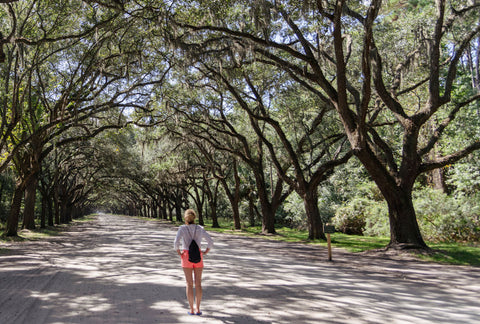
3. Live Oak Tree
A long-lived shade tree with a wide canopy. Ideal for creating lasting structure and shade in Southern landscapes..
Northern Natives
Cold winters and shorter growing seasons require plants that are hardy and adaptable.
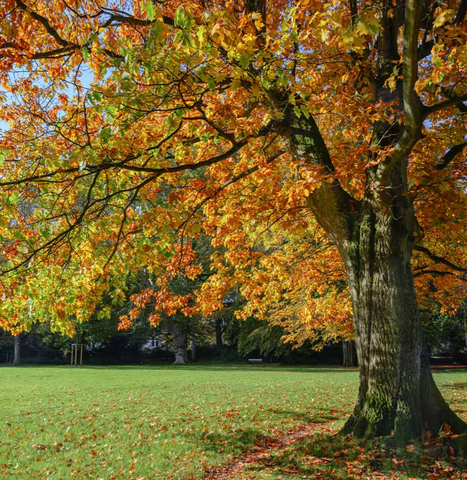
1. Northern Red Oak
A durable, adaptable tree that grows in a wide range of soil conditions and environments.
2. Top Hat Blueberry
A compact, cold-hardy fruit plant that delivers both seasonal color and edible harvests.

3. Autumn Blaze Red Maple
Known for its fast growth and reliable fall color, making it a popular choice for Northern landscapes.

Western Wonders
From the Pacific Northwest to the Southwest, conditions vary—but these plants are known for their resilience and adaptability.
1. Douglas Fir Tree
A tall evergreen that provides structure and privacy. Well suited to cooler Western climates.

There’s a reason this tree stands the test of time: Douglas is hardy, sturdy and it’s easy to grow.
2. Quaking Aspen
A native tree known for its distinctive white bark and shimmering leaves, the Quaking Aspen is recognized for the way its foliage gently flutters in even light breezes, creating constant movement and a soft rustling sound as it grows and spreads over time.

Eastern Native Plants
The Eastern U.S. includes a mix of climates, from coastal humidity to inland seasonal variation. These plants are known for their adaptability and consistent performance.
1. Eastern Redbud
A spring standout with soft pink blooms that appear before its leaves. Great for adding early-season color to your yard.

2. Sugar Maple Tree
A long-lived native tree known for its classic shape and dense canopy, the Sugar Maple stands out for its rich green leaves that transform into brilliant shades of orange and red in fall, making it one of the most recognizable trees for autumn color and a reliable source of maple syrup.

How to Choose the Right Native Plant for Your Yard
When deciding which plant is right for you, consider:
-
Your growing zone (find your growing zone here)
-
Sunlight in your space
-
Available space (height and width)
-
Your goal (shade, privacy, color, or harvest)
Grow with Confidence
Choosing native plants is one of the easiest ways to set your yard up for long-term success. These plants are already adapted to your environment, making them easier to grow and maintain over time.
Whether you're planting a single tree or redesigning part of your landscape, starting with the right plants makes all the difference.
And if you need help along the way, our plant experts are always here to guide you.

